
Unfreezing Politics
On the chilly afternoon of New Year’s Day, Zohran Mamdani was inaugurated as the 112th mayor of New York City. Just hours earlier, I was returning from a late-night celebration when the first snow of the year began, flooding the city streets with white. I took the flurry to be an altogether auspicious sign of what 2026 would look like. Indeed, it foreshadowed the first major test of Mamdani’s term.
Within three weeks of taking office, Mamdani’s team was staring down an incoming snowstorm that would bury the city in frost and threatened to slow down traffic, undermine city services, and put New Yorkers at risk. The city has a vast and sprawling infrastructure for storm response, and the mayor’s team immediately went to work deploying it. In the days leading up to the storm, I saw videos of Mamdani everywhere—on TV, in cabs, and especially on social media—explaining what city workers would do to keep the streets clear and the city running. Parents were reassured that the mayor would make an informed decision about whether to close the schools (he didn’t), while young folks were enticed with a tongue-in-cheek offer to hole up indoors and read a free e-copy of Heated Rivalry. Mark Levine, the wonkish comptroller at Mamdani’s side, promoted a live tracker showcasing the non-stop work of the thousands of workers keeping the streets freshly plowed. All of this was punctuated by a series of media stunts wherein Mamdani was recorded helping working-class NYCHA residents shovel the snow that had frozen over their cars and front porches.

At the time, I wondered to myself whether Mamdani’s response to the storm had been unusually strong, or if we were just witnessing business as usual. After digging a bit, I concluded that while some mayors have certainly handled storms better than others (and other cities—like DC—had surely done worse than New York), the Mamdani administration’s process was nothing original. When I lived in Chicago—through the terms of two consecutive unpopular mayors—overnight snowplows still went on in fairly reliable fashion. This is the ordinary business of government that we should all expect, whether we have an all-star mayor or not.
Instead, what Mamdani had done differently was show what the city was doing. By blanketing the airwaves and internet with catchy videos of the city’s actions, he was helping to connect the work of city government with New Yorkers’ understanding of it. City taxpayers were given a clear example of the public goods their dollars were funding. Skeptics were offered reassurance of the administration’s technocratic competence. Home and small business owners were reminded of their own street-plowing responsibilities, perhaps boosting compliance. In not so many words, the mayor was attempting to tell the public: “I am on your side.”
A wide range of surveys show that Americans are less informed and less trusting of the political process than they have been in decades. Social platforms—adding to the long-running fragmentation of American media—certainly play a role, as do the increasingly blatant displays of incompetence and corruption from the country’s political class. An agenda for a more activist government requires rebuilding confidence that the political process can produce better outcomes. Zohran’s strategy, beginning with his campaign, is to be everywhere and speak to everyone all the time, and thereby cultivate a durable working- and middle-class coalition that can be the foundation for a more progressive politics.
Left Coast Blues
Across the country and in the other marquee city of American liberalism, another media-savvy mayor has been hitting a stride. Daniel Lurie, a moderate Democrat and heir to the Levi Strauss fortune, was elected mayor of San Francisco in 2024 on a very different message from Zohran. After years of political strife in San Francisco over perceived excesses of progressivism—paired with a sense of persistent disorder from property crime and street homelessness—a centrist coalition of business groups, Asian Americans, and reform-minded Democrats had elected a straight-shooting, hands-on outsider to shake up government and get crime under control. Strikingly, Lurie’s victory over the incumbent London Breed was more one of style than substance, as both had essentially been committed to the same program of strengthening law enforcement, building housing, and moving the homeless off the street and into treatment. The San Francisco Chronicle endorsed Breed as the “safe choice” and Lurie as the change candidate, before clarifying the day after that it was endorsing Lurie alone, arguing that he would bring a much-needed shaking up to City Hall.
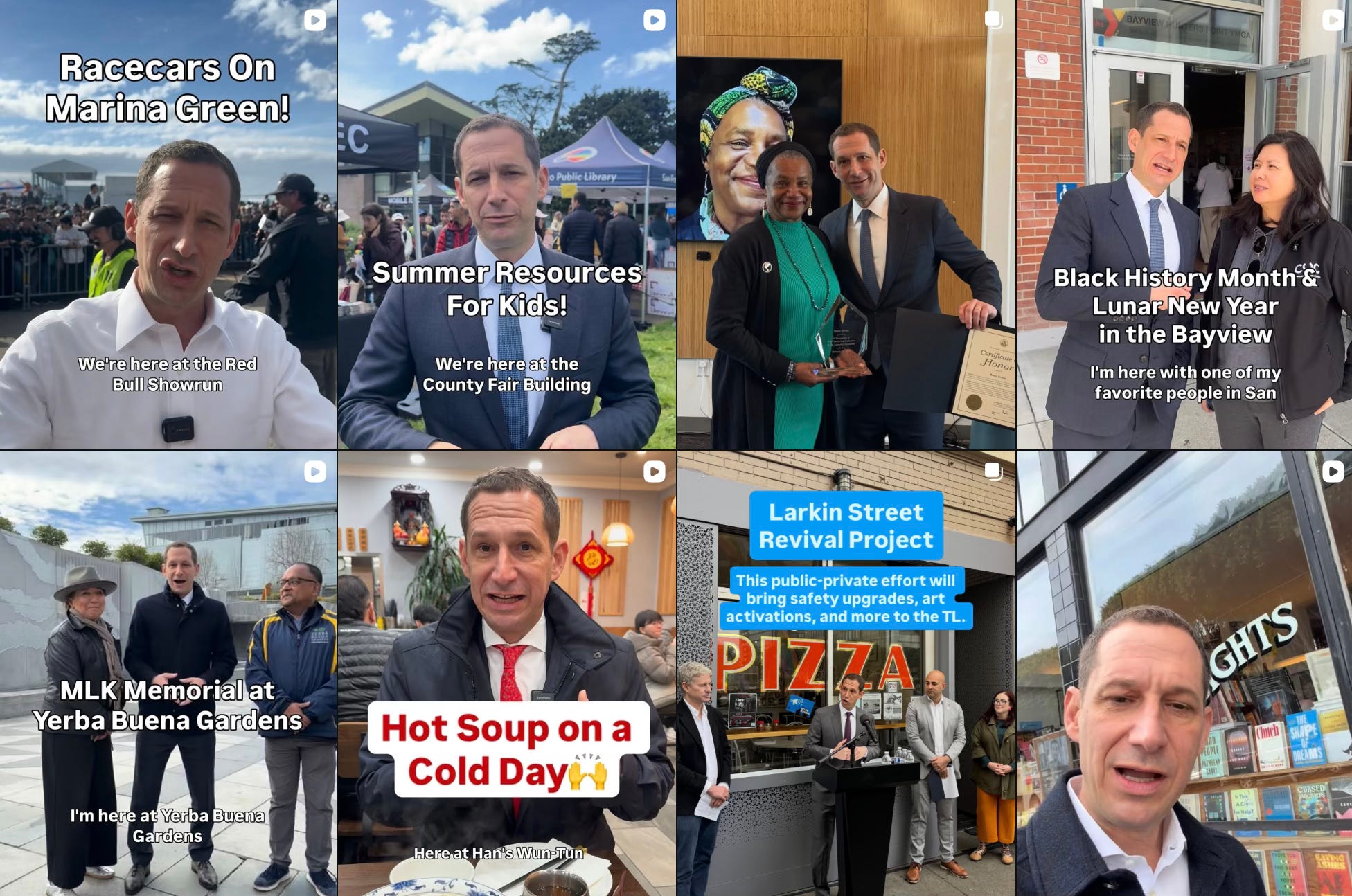
Since his election, it has become something of a running joke in San Francisco that Lurie is everywhere. In his dorky yet endearing little-league-coach style, he is often seen walking around the streets of Chinatown or Union Square visiting local restaurants, cheering on the opening of a new Nintendo store, or talking about services for the homeless. All of this is posted throughout the day to his Instagram story, which can accumulate well over a dozen videos a day packed with phrases like “San Francisco is back” and “let’s go San Francisco!” Some videos tackle issues that would have made SF liberals uncomfortable just a few years ago. I distinctly remember watching a clip (which Lurie reposted) showing footage of illegal dirt bikes from a police surveillance drone, culminating in a scene of police officers ambushing the culprits at a gas station and putting them in cuffs. The unmistakable message is: “my administration will enforce the law.” And whatever you think of his politics, it’s working—Lurie is popular in SF, and ended his first year in office with an approval rating above 70%.
The early success of both Mamdani and Lurie may not last. Already, Mamdani is facing criticism over his administration’s policy of ending sweeps of homeless encampments—which he now appears to have reversed—while in San Francisco, the progressive left is preparing to mount its comeback by attacking (among other things) Lurie’s coziness with the tech industry. Nonetheless, I think there is something to be learned from their early wins, and I consider myself a fan of both.
Each mayor ran on a set of concrete issues that were tightly connected to voters’ anxieties at the time. For Mamdani, that was the cost-of-living crisis—far more acute in New York than anywhere else in America—while for Lurie, it was a pervasive sense of disorder and a feeling that San Francisco was losing its trademark edge. Each took early, visible actions to address them. Each speaks plainly, speaks to everyone, and is relentless about advertising the work of their team. And taken together, this media-forward strategy has had the effect of cultivating a coherent political brand for each of them. Most of us don’t pay enough attention to the news to know the mayor’s position on every issue. But given any issue, New Yorkers and San Franciscans now have enough of an idea about who their mayor is that they can probably make an educated guess. They may not always agree, but at least they know that the government has an agenda and is working to enact it.
Crucially, this approach is agnostic to what each mayor’s political views actually are. Certainly, it’s essential that their politics are a match for the issues of the day. Lurie wouldn’t have won in New York and Mamdani wouldn’t have won in SF. But I could just as easily imagine a moderate with the charisma and coherence of Mamdani defeating a more tedious leftist had New York’s election gone a bit differently. The thing that defines each of these mayors is their ability to command attention—to earn it, and then to hold it.
The Debate That Won’t Die
In the aftermath of the first Trump victory, a heated debate kicked off among Democratic strategists about why the left lost the 2016 election, and what it would take to win the country back. On one side, “popularists”—backed by the work of pollsters like David Shor—argued that the party had strayed too far from popular issues, and that to win again Democrats would need to get back to basics, focusing on the (often but not always) moderate positions that had previously led Bill Clinton and Barack Obama to victory. On hot button issues related to crime, immigration, or trans rights, the party would be better off staying quiet and keeping the focus on the economy. On the other side, “deliverists” contended that the real problem was a lack of trust in government to deliver results, and that enacting tangible policies that improve voters’ conditions of life—even if they don’t initially poll well—will eventually be rewarded by partisan loyalty, enabling Democrats to hold the line on culture war issues. Implicit in this view for many who espouse it is that Democrats can afford to move left, and might actually benefit from doing so.
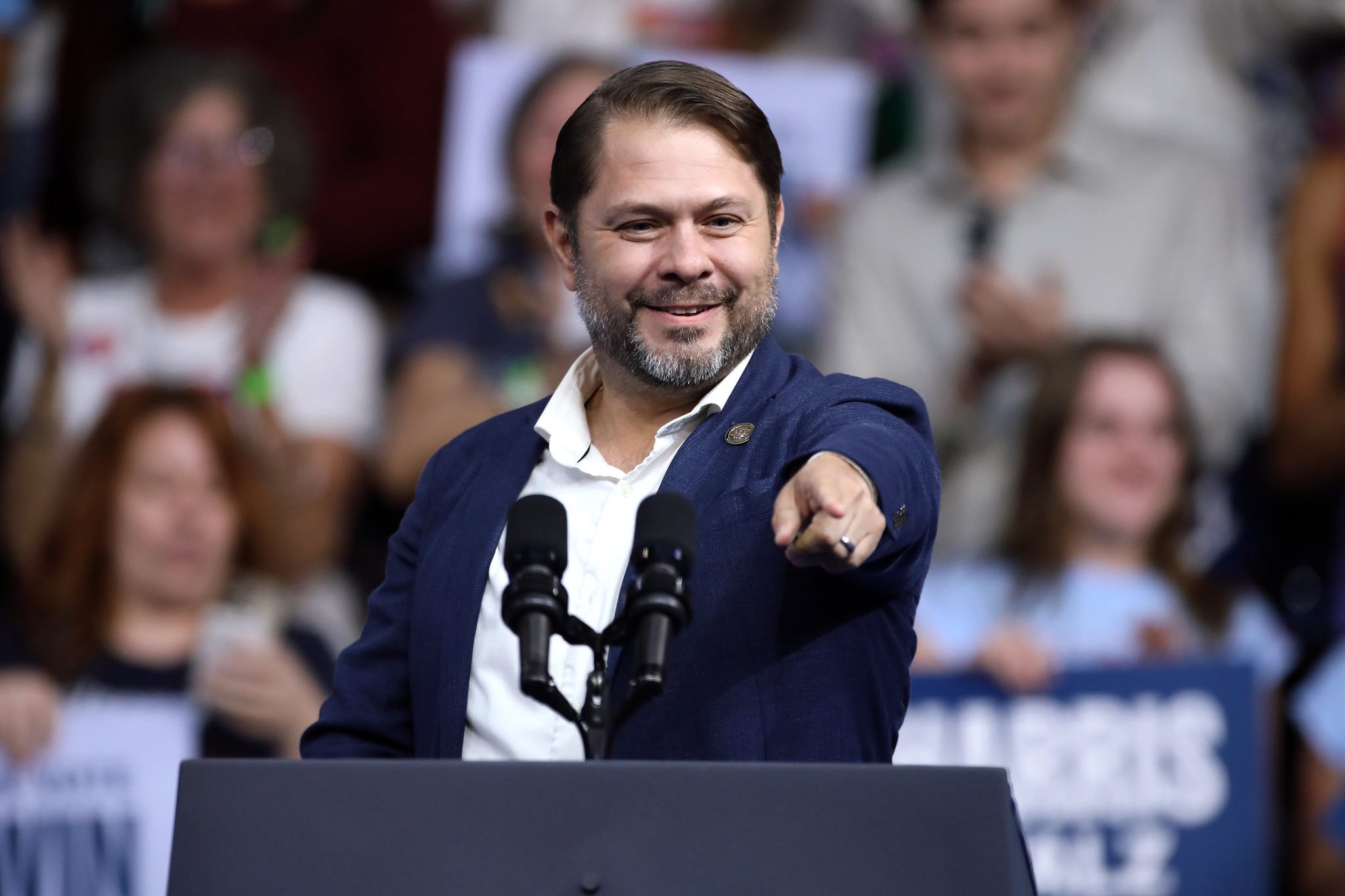
This debate has not progressed much over the past five years. After the ups and downs of the Biden years and now the return of Trump, both sides have some evidence to recommend them. Popularists cite the success of electoral over-performers like Ruben Gallego, who abandoned his Congressional Progressive Caucus membership and eschewed certain left-wing orthodoxies (chiefly taking a harder line on the border) in order to cruise to victory in his 2024 race for an Arizona Senate seat, running eight points ahead of Kamala Harris. Deliverists lean on the popularity of Lina Khan’s aggressive antitrust actions (“click to cancel”, banning junk fees) and the results of programs like congestion pricing in New York, which started off politically underwater but has quickly become a sweeping success.
Likewise, both sides have found ways to blame the other for Kamala Harris’s election defeat. Moderate commentators like Matt Yglesias and Nate Silver have tied her loss to the left-wing positions she took as a Senator and during the 2020 election, which unmistakably branded her as a far-lefty in the eyes of American voters (despite her futile efforts to moderate in 2024). Others argue that the Biden administration’s unusually bold economic agenda of infrastructure investment, robust antitrust enforcement, support for organized labor, and large-scale stimulus spending failed to win back working class swing voters in the way Biden’s brain trust had hoped it would. Depending on who you ask, this suggests some combination of the following: 1) left-wing policies don’t work, and probably fuel inflation, so it’s time to go back to neoliberalism, 2) Americans actually don’t mostly vote on material outcomes, and politics has become much more about cultural identification, and 3) any tangible victories will necessarily be filtered through right-wing media, preventing Americans from correctly assigning credit for strong economic outcomes to a Democratic president. The implication: focus on doing fewer things well, passing the “right” policies (even if they don’t deliver immediate tangible relief), and keeping to the cultural middle ground. Relative to Republican extremism, this formula will give Democrats a favorable reputation by comparison.
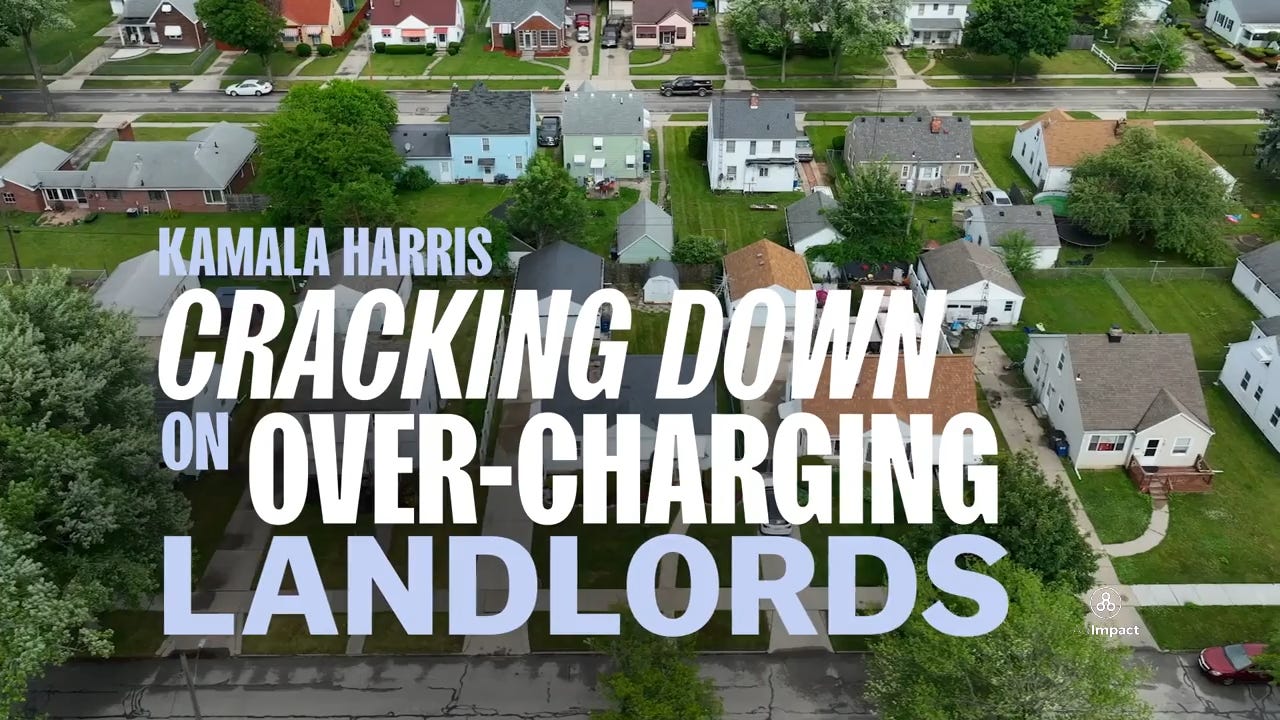
Those on the other side of this debate just as easily argue that Kamala Harris’s attempts to moderate in the 2024 election—lines like “I own a glock” and praises of America’s “lethal” military—went nowhere, meaning running on poll-tested platitudes did very little to improve her image. Had she instead focused on tangible economic promises, they argue, she would have stood a much stronger chance against Trump. Indeed, even as Harris primarily focused on a “protecting democracy” message down the electoral finish line, internal polling from her largest Super PAC, Future Forward, showed that her most effective ads were consistently those about cracking down on grocery store price gouging and bad landlords. We now know that her campaign was deeply divided internally about which strategy to pursue—democracy-first or economic populist—and the democratic preservationists prevailed as the campaign put some distance between itself and the highly popular Lina Khan. In other words, these critics argue that true deliverism has never been tried.
Winning Hearts, Minds, and Wallets
In my opinion, both the “popularist” and “deliverist” positions contain seeds of truth, and yet both also leave something to be desired. It’s probably true that undoing Trumpism will take more than delivering short-term material gains. Right-wing populism has deep sociological foundations, and the correlated emergence of political extremism around the world during the 2010s suggests that other factors—like the emergence of social media—share much of the blame. If that’s true, then healing America will require a generational process of institutional reform; there is no silver bullet. Still, winning elections matters, as both sides acknowledge. Keeping the right out of office is essential for halting democratic backsliding, and buys time and political capital for these reforms to be enacted. My best read of the evidence is that both improving material conditions and speaking to the broad cultural middle are important for getting elected and re-elected. That means that at this moment, Democrats can learn lessons from both Bernie Sanders and Bill Clinton.
But what both sides of this debate miss is that attention is the filter through which both popular messages and productive policies are interpreted. And in this moment, winning attention requires both having a megaphone (being everywhere, speaking to everyone) and having a coherent brand that ties the policy and message together. I don’t believe that the Biden administration’s thesis—that bold economic action can help overcome Trumpism—was wrong, and I think there is a very strong case for many of those policies on the merits. But I do believe it was incomplete. For starters, the administration failed to accurately convey to Americans what it was doing and the results it was generating. Unlike Trump, Biden was not one to shamelessly take credit for everything he did. We didn’t have billboards all over the country saying “Democrats built this bridge,” or “opened this factory.” Most voters didn’t know that Pete Buttigieg’s Department of Transportation was the reason airlines were forced to automatically refund tickets after three-hour delays. These changes largely went unnoticed. Part of the problem was that the president was quickly aging out of the job, and as most Americans knew, didn’t actually have the energy to carry out its persuasive demands. Part of it was also that many of the policies remained purely hypothetical for far too long, as investments in green energy and manufacturing were hampered by lengthy permitting processes and environmental reviews. The next Democratic president will need to spend much more time on the road, showcasing the results of their agenda and highlighting the ordinary operation of government—perhaps even taking credit for achievements that aren’t strictly their own.
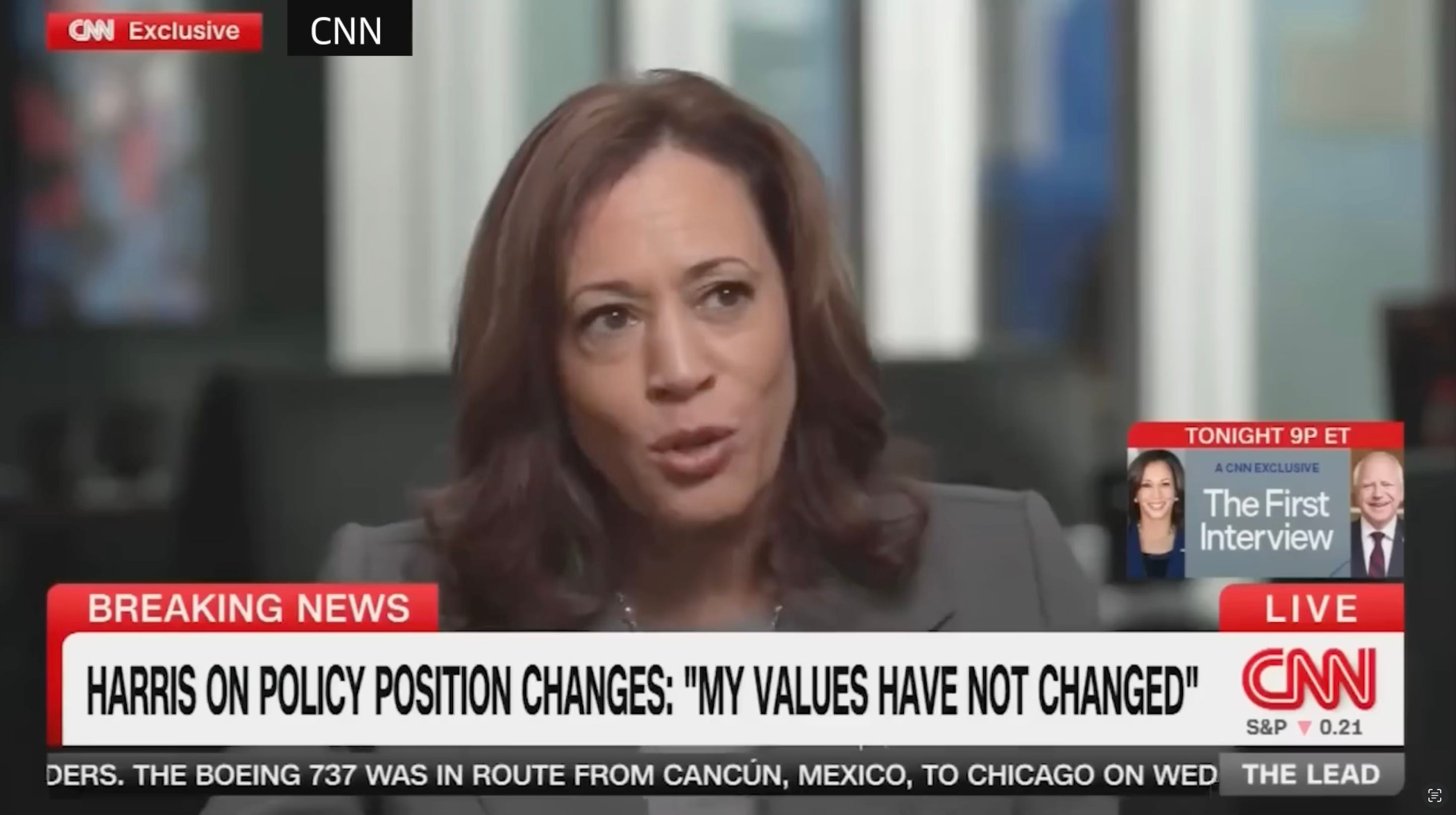
Kamala Harris’s problem in the 2024 election was somewhat different. She didn’t yet have the opportunity to deliver a tangible outcome, so her task was instead to define herself and her future administration for a national audience. In the lead up to the first presidential debate, nearly a third of voters polled as wanting to know more about her before casting their vote. Harris did win that debate, successfully predicting many of the terrible developments that have since come to pass. But what she failed to do was establish a consistent brand that unified her messaging and her policy agenda. Her last-ditch attempts at moderation may or may not have given her a boost in the polls, but they did not explain why she had given up her previous self-definition as a progressive firebrand. When asked, for example, why she had dropped her call to ban fracking, she leaned on a common refrain—“my values have not changed”—but didn’t actually offer voters insight into how she approaches tough decisions and therefore what kind of president she would make. In this sense, Harris’s loss tells us little about the virtues of running moderate candidates. Successful moderate elected officials—like Lurie in San Francisco or Pennsylvania Governor Josh Shapiro—have an identity and a story that they have cultivated over years and reinforced through both their policy actions and their messaging. Despite today’s short attention spans, voters know what they are for. In Harris’s case, the task was to define herself in a way that would convince voters that electing her would lead to noticeable improvement in their lives, and on this she (narrowly) failed. Granted, she was in an incredibly unenviable position given Joe Biden’s unpopularity and long-belated decision to drop out. It’s possible that given these circumstances (not to mention the double standards she faced given her racial and gender background), it would have been near-impossible for her to win even with perfect execution. But given how devastating the consequences of her loss have been, it’s hard not to wonder what if.
All of this is to say that I don’t think the case for a bolder progressive agenda has been discredited. But nor is it the only way for Democrats to make a comeback. Whether left or center, what Democrats need in this moment are leaders who can build a complete story about the problems we face, execute an agenda with relentless focus on those problems, and hold the ear of voters along the way. Each leader’s experiences, biography, and rhetoric should ideally match up with the story they’re telling, creating an authentic image that is difficult for others to replicate. Right now, the issue of the day is affordability and so this will mean offering up a clear message about how to deliver rapid relief that brings down the cost of living. Crucially, the policies still need to work, or any trust earned will dry up quickly. But while good outcomes are a key condition for success, they are not on their own sufficient. If Trumpism truly is the existential threat Democrats portray it to be, then it merits a transformative response—one that reshapes Americans’ expectations about what government can deliver—to overcome it.
Playing With Fire
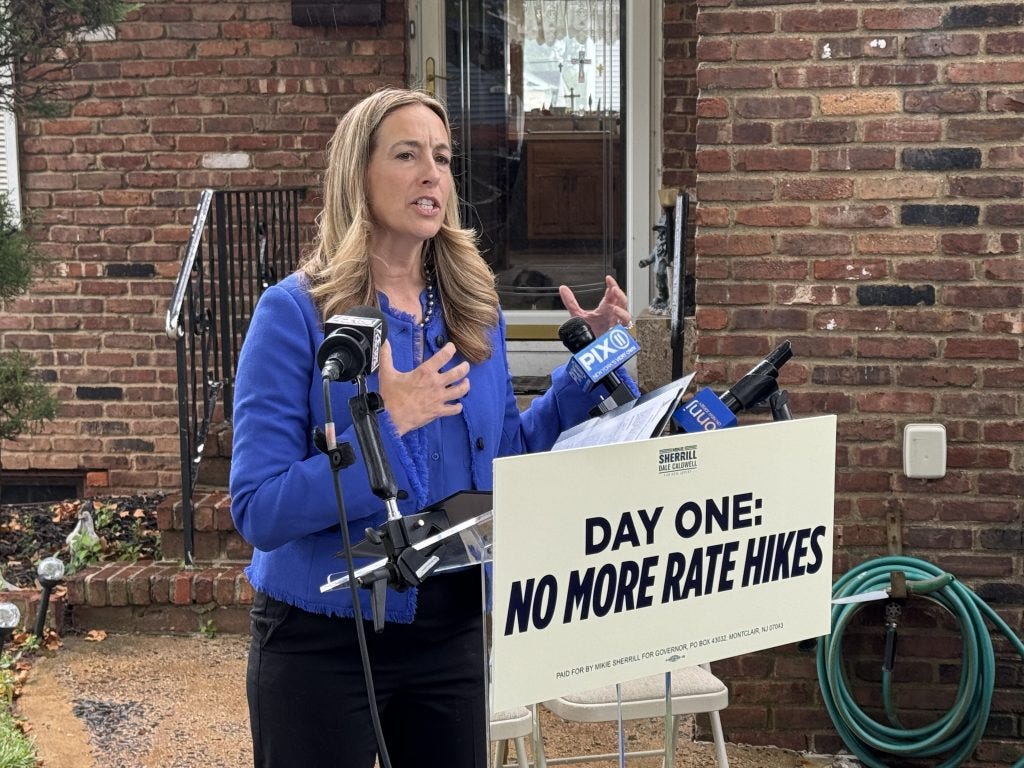
Behind the scenes, some of the smarter figures in the party see the writing on the wall and are clearly moving in this direction. In recent weeks, I’ve read a series of op-eds making the case for various forms of short-term relief—like temporary price freezes—that “buy time” for longer-term structural reforms (say, building more housing or expanding childcare services) to work. The implicit argument is that a future Democratic administration can use these tools—one of the authors I spoke to called them “shiny objects”—to show that they are doing something quickly, and to hold the attention of Americans while they tackle the deeper causes of the problem. This approach seems to be transcending the traditional left/center divide in Democratic politics, with both the democratic socialist Mamdani and New Jersey’s recently-elected moderate governor, Mikie Sherrill, winning on pledges for these kinds of short-term actions (“freeze the rent”; freeze utility rates).
This is a delicate balancing act, and I have mixed feelings about it. If Democrats put forward shiny objects but fail to deliver the longer-term reforms they seek, they will end up overpromising and underdelivering, thereby further eroding trust in government. That could produce a greater backlash than not taking those actions at all. Moreover, a political strategy that relies on taking credit for everything, all the time, can quickly spiral into demagoguery and the erosion of small-d democratic norms. Politicians across the spectrum are likely to quickly converge on this strategy, and while it may enable each to eke out short-term gains, it’s hard to see such an outcome resulting in a more informed political process.
An illustrative example: walking around New York these days, I often see videos of Mayor Mamdani on LinkNYC screens advertising the city’s childcare programs and encouraging people to enroll. Though he doesn’t say it in the videos explicitly, the implication is that the programs are one of his administration’s signature initiatives—a reminder that the mayor is rapidly delivering results. And indeed, a week into his term, Mamdani and New York Governor Kathy Hochul did jointly announce a new childcare initiative that will expand New York’s offering to two-year olds and gradually make 3-K and Pre-K universal. But those changes, in fact, have yet to go into effect and will take years to be fully enacted. The programs Mamdani has been promoting on screen predate his mayoralty in entirety. Moreover, previous administrations couldn’t put videos with the mayor’s likeness on city-owned screens because of a 2007 state law banning elected officials from appearing in official PSAs, intended to prevent the city from funding de-facto campaign ads. But Mamdani’s administration found a workaround through the creative use of a legal loophole, and now on any walk in Manhattan, you’re likely to run into his smiling face. On the one hand, I think this is a testament to his team’s political genius and exactly the kind of thing that a revived left could do to sell its achievements in the future. On the other, I recognize that in the long term, this could be a recipe for our politics’ continued slide into what is essentially a popularity contest with low-information voters.

Breaking out of this cycle will probably require deep structural reforms that reduce polarization, promote voter education, and restrict who can fund elections and what kinds of content they can promote. Once again, I’m forced to conclude that this is at best a generational task. In the meantime, just how far our side is willing to take the plunge into an algorithmically savvy, attention-oriented political strategy is an open question. Years from now, I would much prefer our politics to be more about the facts and evidence; for political speeches to be honest conversations with voters about values and tradeoffs. (See, for example, this address President Obama gave to Congress in 2009 making an honest case for healthcare reform.)
But I believe that even a candidate who runs on those reforms—who makes a principled case for pro-democracy and anti-corruption measures and for turning down the temperature—will probably only succeed if they can hold the attention of the country while they are doing so. Only this will enable them to build the brand and therefore trust from voters needed to weather the enormous opposition they will inevitably face. So while I hope that one day we no longer need to play the game of attentional hyper-politics that lies before us, I also think that the only way out may well be through. If I’m right, Democrats have much to learn from the mayor.